Optimal Timing for Brick Repointing
Brick repointing is a vital maintenance process that involves renewing the external mortar joints of brickwork. Proper timing ensures the longevity and effectiveness of the repointing work, preventing issues such as water ingress, structural deterioration, and mortar failure. The ideal time for brick repointing depends on weather conditions, climate, and the current state of the mortar.
Repointing should be performed during dry, mild weather to allow mortar to cure properly and prevent moisture-related issues.
Ideal temperatures range from 50°F to 85°F. Repointing during extreme cold or heat can compromise mortar adhesion and curing.
Spring and early fall are generally considered the best seasons for brick repointing due to moderate temperatures and lower rainfall.
Repointing during rainy or freezing weather can lead to mortar failure and damage to brickwork.
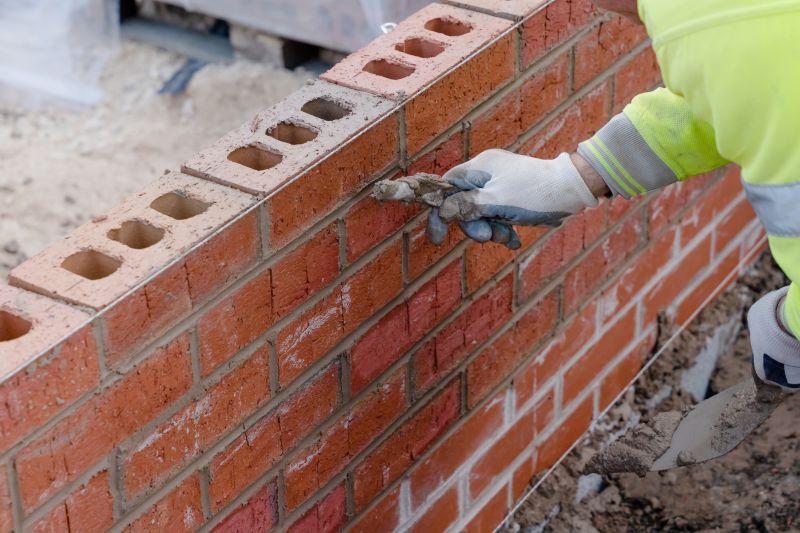
Ideal for moderate temperatures and dry conditions, ensuring proper mortar curing.
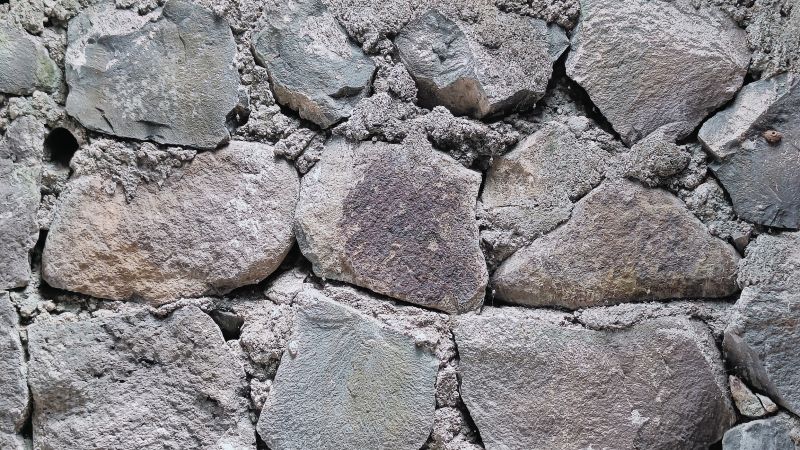
Provides suitable weather conditions with cooler temperatures and less rain.
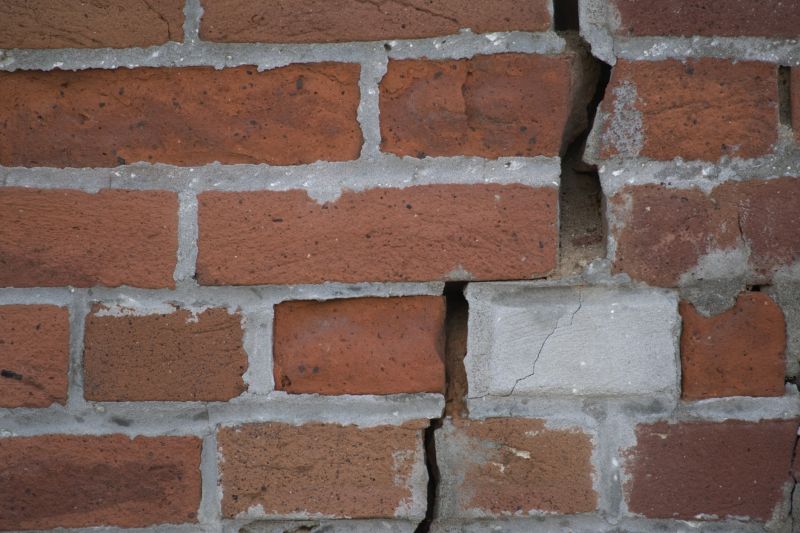
Cold and freezing conditions hinder mortar setting and can cause damage.
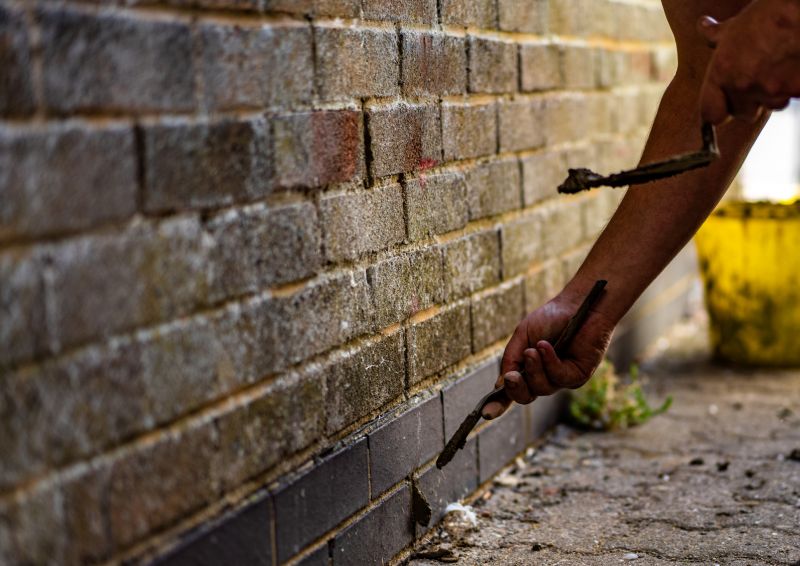
Ways to make Brick Repointings work in tight or awkward layouts.
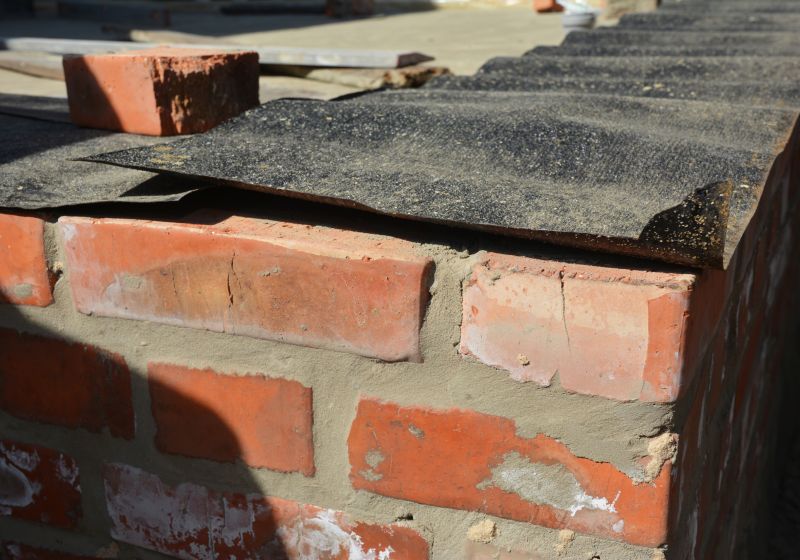
Popular materials for Brick Repointings and why they hold up over time.
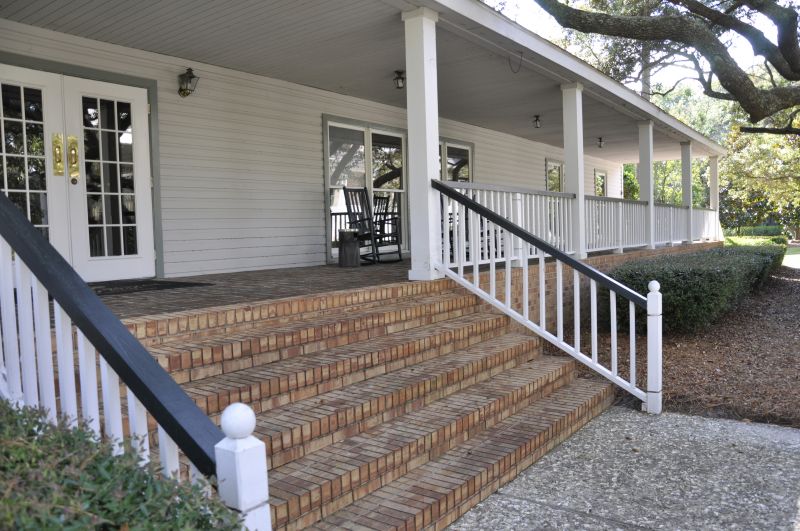
Simple add-ons that improve Brick Repointings without blowing the budget.
| Season | Best Practices |
|---|---|
| Spring | Perform repointing early in the season during dry, mild weather. |
| Summer | Avoid peak heat hours; early mornings or late afternoons are preferable. |
| Fall | Ideal for repointing due to moderate temperatures and lower precipitation. |
| Winter | Repointing is generally discouraged due to freezing temperatures and moisture issues. |
| Rainy periods | Delay work until dry weather to ensure mortar adhesion. |
Brick repointing is an essential maintenance task that restores the integrity and appearance of brick structures. It involves removing deteriorated mortar and replacing it with fresh mortar, which helps prevent water penetration and structural damage. Properly executed repointing can extend the lifespan of brickwork significantly, with some structures lasting for decades when maintained regularly. Statistics show that timely repointing can reduce repair costs by preventing more extensive damage caused by water ingress and mortar failure. The process also enhances the aesthetic appeal of brick facades, maintaining property value and curb appeal.
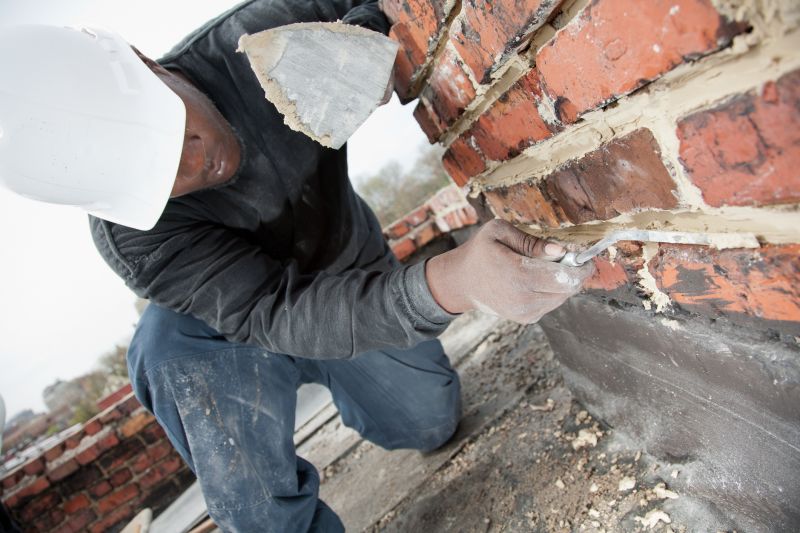
Specialized tools used for removing old mortar and applying new mortar.
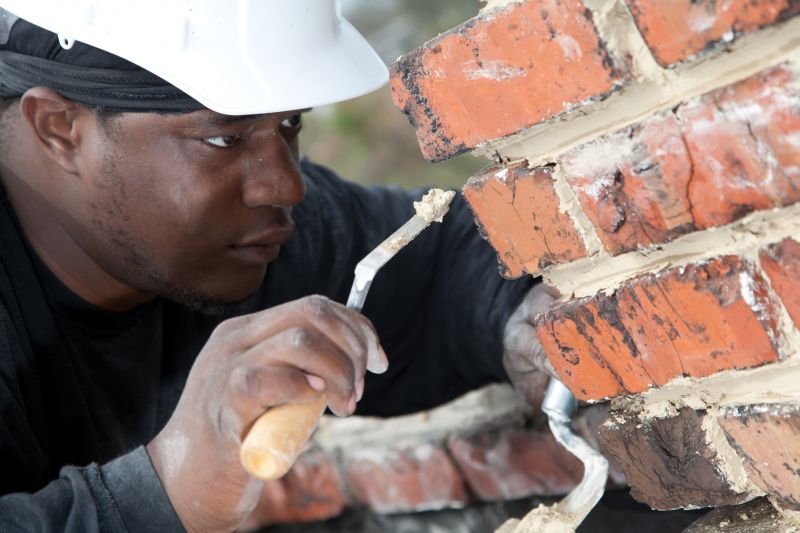
Proper technique ensures durable and weather-resistant joints.
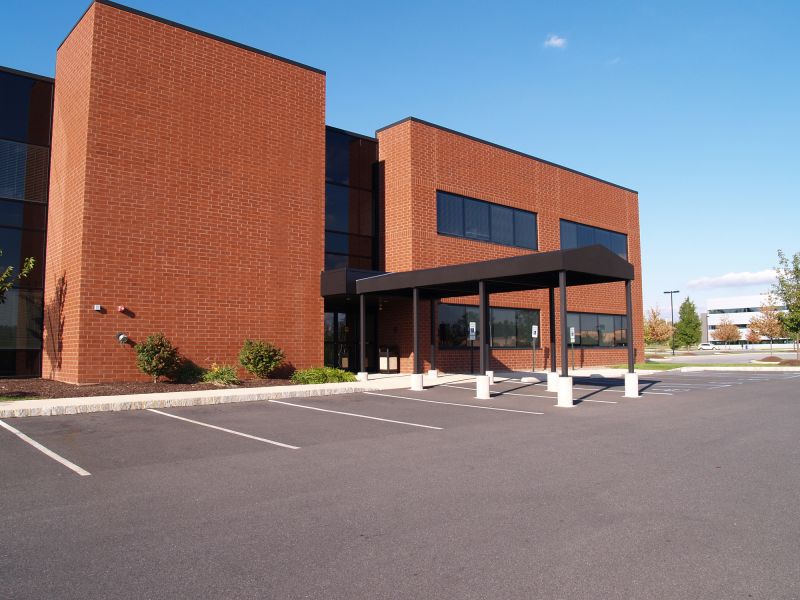
Visual improvements through professional repointing work.
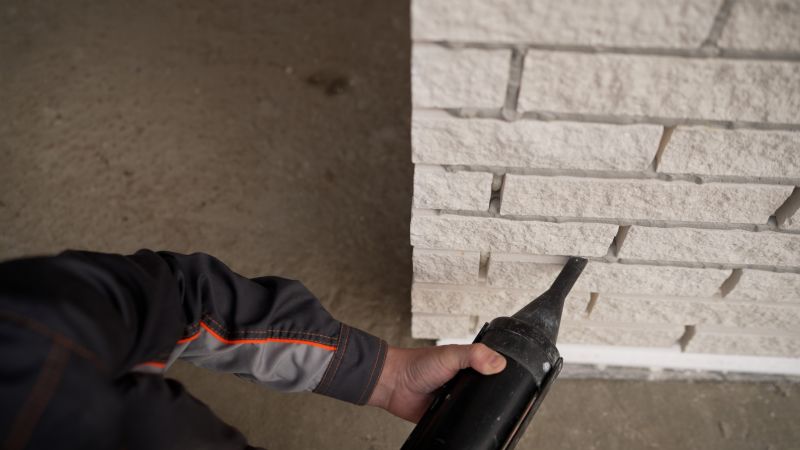
Step-by-step stages of mortar removal and application.
Interested property owners or managers are encouraged to contact for further information about brick repointing services. Proper timing and execution are critical to preserving the structural integrity and appearance of brickwork, making professional consultation valuable for planning and scheduling work effectively.